Source Loose Fit Crop Top for Gym, Yoga, and Fitness
Explore 30 options for loose fit crop top designs suitable for gym, yoga, and fitness activities. Compare features like quick-dry fabric, breathable materials, and customization options including logos and colors from verified manufacturers; compare the available evidence and request quotations based on your requirements.
Key considerations
Products List


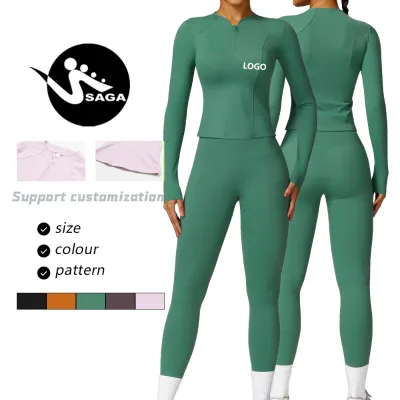


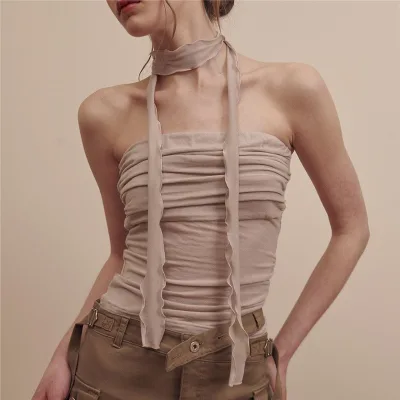


Comprehensive Sourcing Guide
Loose Fit Crop Top Sourcing Guide
Sourcing loose fit crop tops requires a strategic balance between aesthetic flexibility and functional performance, particularly when targeting diverse athletic and casual markets. Buyers must navigate a landscape where customization options range from basic colorways to complex structural modifications, ensuring the final product aligns with brand identity. The observed market signals indicate a wide availability of styles, from ribbed designs with drawstrings to split-tied back sports cuts, each serving distinct usage scenarios. Understanding these variations is crucial for defining precise technical packs and avoiding miscommunication with manufacturers regarding fit and fabric behavior.
Procurement teams should prioritize suppliers who demonstrate robust OEM capabilities, as evidenced by the prevalence of custom logo and packaging services in current listings. The ability to offer any Pantone color and various sizing options, including plus sizes, suggests a mature supply chain capable of handling varied order profiles. However, this flexibility comes with the responsibility of rigorous specification management. Buyers must clearly define material compositions and construction details early in the sourcing process to ensure that the loose fit design maintains its intended silhouette and durability through repeated wear and washing cycles.
Product Scope and Observed Listing Signals
The current market for loose fit crop tops encompasses a broad spectrum of product types, including tank tops, basic ribbed styles, and specialized sports bras. Listings frequently highlight features such as breathability, quick-drying properties, and moisture-wicking capabilities, which are essential for active wear applications. The observed product models range from casual summer tops to more technical garments designed for activities like cycling, yoga, and gym workouts. This diversity allows buyers to curate collections that cater to both everyday casual wear and high-performance athletic needs, provided the technical specifications are accurately matched to the intended use case.
Shipping and packaging logistics also play a significant role in the sourcing decision, with many suppliers offering separate plastic bag packaging and bulk carton quantities. Standard packing configurations often involve sixty to eighty pieces per carton, which impacts storage and distribution planning. Additionally, the availability of custom labels, hangtags, and packaging solutions enables brands to maintain consistent visual identity across their product lines. Buyers should evaluate these logistical details alongside product aesthetics to ensure that the supply chain can support their inventory turnover rates and retail presentation requirements effectively.
Technical Specifications to Verify
Verifying technical specifications is critical when sourcing loose fit crop tops, particularly regarding fabric composition and construction methods. Common material blends include nylon and spandex, which offer stretch and recovery properties essential for active wear. Buyers must confirm whether the fabric meets specific performance criteria such as anti-shrinkage, windbreak, or waterproof capabilities, depending on the garment’s intended usage. For instance, tops marketed for outdoor sports may require rip-stop or anti-UV treatments, while basic gym wear might focus on breathability and comfort. Clear communication of these material requirements prevents discrepancies between sample and bulk production.
Size standardization and fit consistency are another vital area for verification. While many suppliers offer a wide range of sizes from XXS to XXXL, including custom sizing, the actual measurements can vary significantly between manufacturers. Buyers should request detailed size charts and confirm whether the "loose fit" designation aligns with their brand’s specific grading rules. Additionally, features such as drawstrings, split backs, or ribbed textures require precise construction techniques that can affect the final garment’s drape and functionality. Ensuring that these technical details are documented in the tech pack helps maintain quality control throughout the production process.
Compliance and Safety Documentation
Compliance and safety documentation are foundational elements of responsible sourcing, even for seemingly simple apparel items like crop tops. Buyers should verify that suppliers adhere to relevant safety standards, such as OEKO-TEX, which ensures that textiles are free from harmful substances. Although specific certification statuses may vary, requesting proof of compliance is a necessary step to mitigate risks associated with chemical residues in fabrics. This is particularly important for garments that come into direct contact with the skin, such as gym wear and yoga tops, where comfort and safety are paramount for consumer trust.
Beyond chemical safety, buyers must ensure that all labeling and packaging comply with destination market regulations. This includes accurate fiber content labeling, care instructions, and country of origin markings, which are often customizable but must meet legal requirements. Suppliers offering custom labels and tags should be vetted for their ability to produce compliant documentation. Additionally, understanding the supplier’s adherence to international standards, such as those specified in their production protocols, helps ensure that the final products can clear customs and retail inspections without delays or rejections.
Cost Drivers and Commercial Terms
Cost drivers for loose fit crop tops include material selection, customization complexity, and order volume. While observed price ranges vary, buyers should recognize that factors such as custom colors, specialized fabrics, and intricate design features like split backs or drawstrings can increase production costs. Minimum order quantities (MOQs) also significantly impact pricing, with typical requirements ranging from one hundred to two hundred pieces per style or color. Larger orders often benefit from economies of scale, but buyers must balance this with inventory risk and cash flow considerations to optimize their procurement strategy.
Commercial terms, including payment structures and lead times, are equally important in the sourcing equation. Common payment terms involve a deposit followed by a balance before shipping, which protects both parties but requires careful financial planning. Lead times for samples and bulk production can vary, with some suppliers offering rapid turnaround times for samples while bulk production may take several weeks. Buyers should negotiate clear delivery schedules and shipping options, such as express, air, or sea freight, to align with their launch timelines and budget constraints.
Supplier Qualification and Quality Control
Supplier qualification is a critical step in ensuring the reliability and quality of loose fit crop top orders. Buyers should assess suppliers based on their production capacity, customization capabilities, and past performance in delivering consistent quality. The ability to offer a wide range of sizes, colors, and design features indicates a flexible manufacturing process, but it is essential to verify that this flexibility does not compromise quality control. Requesting references or case studies from previous clients can provide insights into the supplier’s reliability and professionalism.
Quality control measures should be integrated into the sourcing process from the initial sampling stage through to final inspection. Buyers should establish clear quality standards and conduct pre-production samples to verify fit, fabric, and construction details. During bulk production, regular inspections can help identify and address potential issues early, reducing the risk of defects in the final shipment. Additionally, suppliers who offer comprehensive packaging solutions and adhere to standard packing practices demonstrate a commitment to protecting the product during transit, which is vital for maintaining brand reputation.
Long-Term Procurement Checks
Long-term procurement checks involve continuous monitoring of supplier performance and market trends to ensure sustained value and quality. Buyers should regularly review supplier metrics, such as on-time delivery rates, defect rates, and responsiveness to issues, to identify areas for improvement. Building a strong relationship with suppliers based on transparency and mutual benefit can lead to better pricing, priority production slots, and collaborative innovation in design and materials. This proactive approach helps mitigate risks and enhances the overall efficiency of the supply chain.
Staying informed about evolving consumer preferences and regulatory changes is also essential for long-term success in the loose fit crop top market. Buyers should regularly update their technical specifications and compliance requirements to align with new standards and consumer expectations. Additionally, exploring new sourcing opportunities and diversifying the supplier base can reduce dependency on single sources and enhance resilience against supply chain disruptions. By maintaining a strategic and adaptive approach, buyers can ensure that their procurement efforts remain competitive and aligned with business goals.
FAQs
What customization options are available for logos and labels?
Customization is available for logos, labels, hangtags, and packaging to match your brand. You can choose from printing, embroidery, heat transfer, or sublimation methods for the logo. The label and package can also be fully customized with your specific brand requirements to ensure a unique product identity.
What is the minimum order quantity for loose fit crop tops?
The minimum order quantity is 100 pieces per style and color for most items. Some specific designs may require a minimum of 200 pieces per design. Buyers should verify the exact MOQ for their selected style before placing an order to ensure compliance with supplier requirements.
How long does it take to receive samples and bulk orders?
Samples can be delivered within 7 days, while bulk production typically takes 25 days. Some specific sample requests may require 10 to 15 days for preparation. Shipping time depends on the chosen method, such as DHL, FedEx, or air and sea shipment options.
Which sports and activities are these crop tops suitable for?
These tops are designed for a wide range of activities including gym, yoga, cycling, tennis, and track and field. They are also suitable for ball sports, skiing, dancing, and equestrian events. The fabric features like quick dry and breathable properties support various fitness and athletic needs.
Can I order custom sizes and colors for these products?
Yes, any Pantone color and any size including plus sizes are available for customization. You can request specific sizes ranging from XXS to XXXL or provide custom measurements. This flexibility allows buyers to tailor the product to their specific market needs and sizing requirements.
What are the payment terms for bulk production orders?
The standard payment term requires a 40% deposit and a 60% balance before shipping. This structure ensures commitment from both the buyer and the manufacturer. Buyers should arrange the balance payment prior to the shipment date to avoid delays in delivery.
How are the products packed for shipping?
Items are packed in separate plastic bags with 60 to 80 pieces per carton. Some specific models may use one piece per polybag. Custom bags and tags are also available upon request to meet your specific branding and packaging standards.